
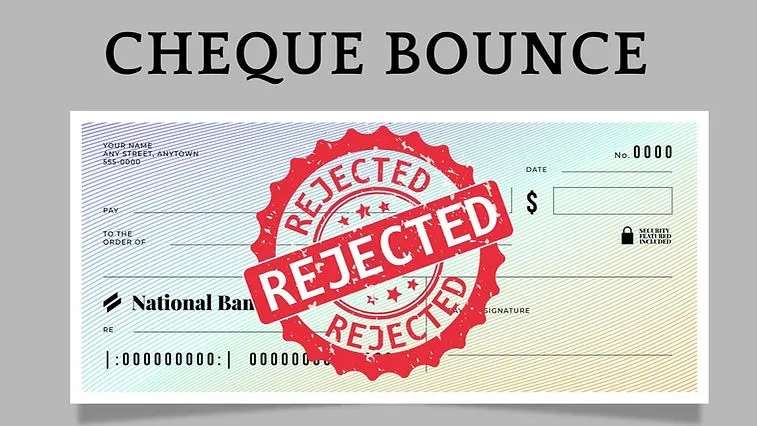
How Do You Know If a Cheque Has Been Dishonoured?
When a person issues a cheque to make a payment, the cheque is presented by the recipient (payee) to their bank for collection. A cheque is generally valid for the period prescribed by the applicable banking regulations from the date of issue.
If the bank is unable to process the cheque due to reasons such as insufficient funds, signature mismatch, incorrect details, or any other valid banking reason, the cheque is returned unpaid. In such cases, the bank issues a Cheque Return Memo, which mentions the specific reason for the dishonour.
The payee receives this return memo through their bank and is informed that the cheque has not been successfully cleared. Based on the circumstances, the payee may contact the issuer to resolve the matter amicably or, where legally appropriate, initiate proceedings in accordance with the applicable provisions of law.